Inevitable Is a Vendor Word
When the two companies most incentivized to signal AI confidence quietly miss their own capex marks, the planning premise half of enterprise buyers are using starts to look borrowed.
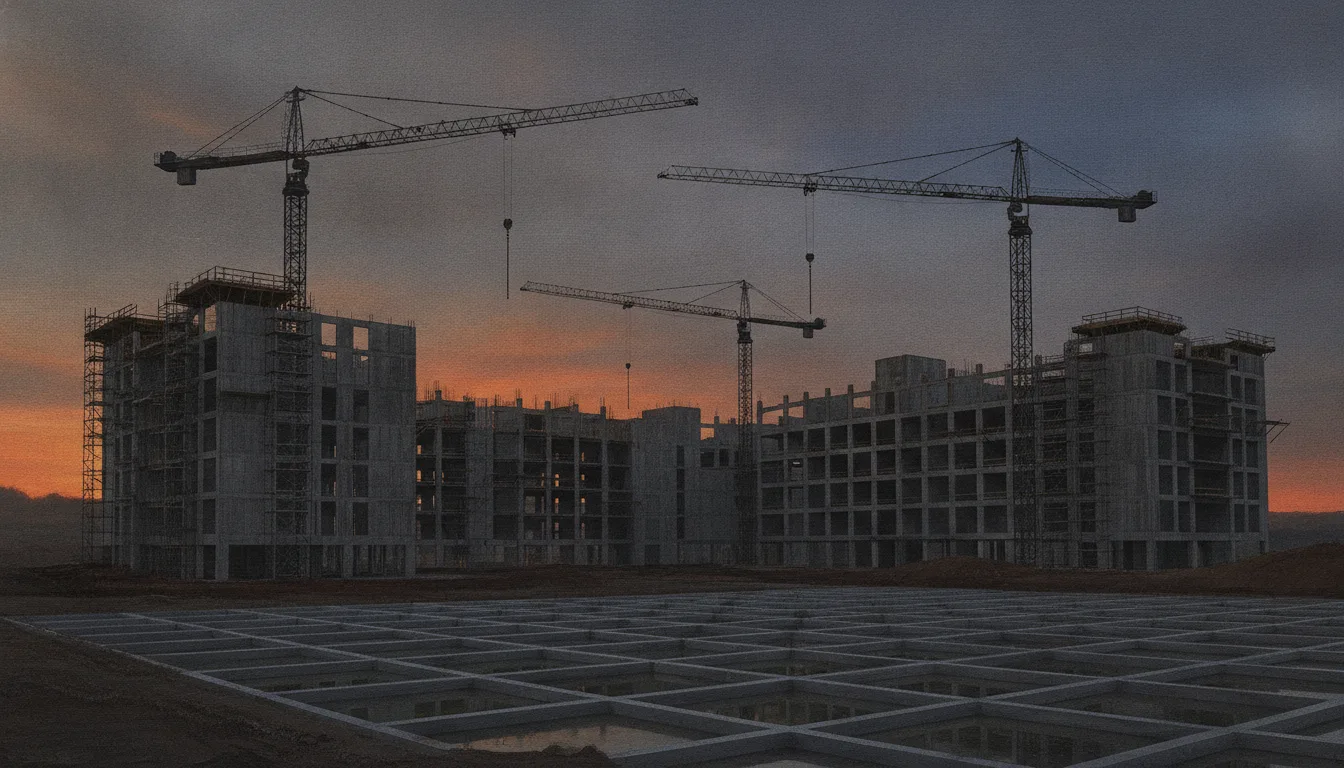
"AI spend is inevitable" is a sales line, not a planning premise, and any buyer who's built a roadmap on it is quoting a vendor back to themselves. The occasion to say so is this: Microsoft and Alphabet both came in under their own capex estimates this quarter, and these are the two companies most incentivized to look unshakably committed.
That's the part worth sitting with. Missing your own guidance when confidence is the product is not a one-quarter wobble.
There's a louder version of this story floating around, a Columbia economist predicting the whole boom runs into a funding wall and a physical-resource wall. He's probably directionally right about the strain. But his headline number, the biggest investment boom in U.S. history as a share of GDP, is built on announced plans, and announced plans get revised all the time. So I'd separate the thesis from the data point. The thesis is a forecast. The capex miss is a fact.
And the fact is enough. Alphabet's own earnings miss ties to AI eating into search ad revenue, which means the business that was supposed to fund the build-out is the business the build-out is cannibalizing. The money bridge is cracking from the demand side, not just the lending side.
The thesis is a forecast. The capex miss is a fact. And the fact is enough.
None of this says AI is overhyped as technology. It says the capital math was never the sure thing the roadmaps assumed. If your strategy leans on vendors spending forever, you've got pricing leverage right now that you won't have narrated to you.
So pitch value, not AI. "Three days to fifteen minutes" survives a capex pullback. "We're committing to the AI build-out" is a premise you borrowed from someone whose cranes just slowed down.
Sources
Want to talk about this?
Get in touchMore on AI
The Nvidia Dependency Nobody Priced In
The number on your GPU invoice isn't the one that hurts. It's the one company sitting in three seats of your AI stack at once, and most build-vs-buy math never accounts for it.
The Token Bill Is the Audit
Everyone measured how often people used the tools. Nobody measured whether anything got better. Now the invoices are settling that argument.
Build-vs-Buy Just Became a Real Question Again
A coffee chain deciding it can out-build IBM isn't a demo win or a vendor obituary. It's a question most enterprises still aren't willing to ask themselves.